
Medically reviewed by Dr. Merlin Brown, MD — Board-certified Internist.
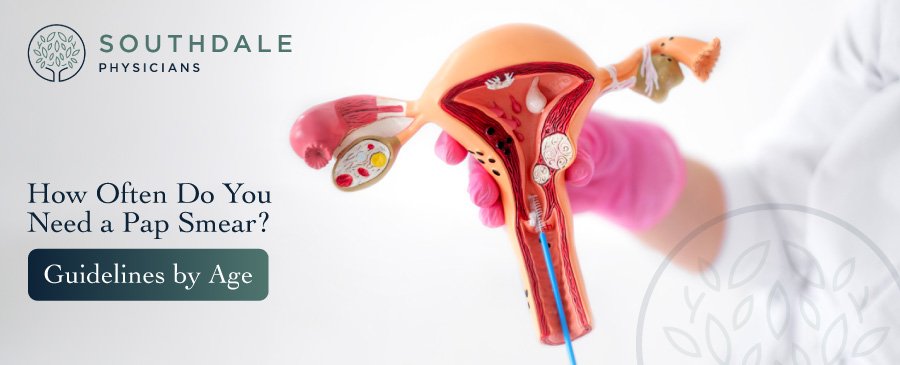
Most people need a Pap smear every 3 years from age 21 to 29. From 30 to 65, you can choose a Pap every 3 years, an HPV test every 5 years, or both together every 5 years. Many people can stop after 65 if recent results were normal. Your doctor may advise more frequent testing.
A Pap smear (also called a Pap test) collects cells from the cervix. A laboratory then checks them for changes that could turn into cancer. The Pap test looks for precancers, which are cell changes on the cervix that might become cancer if not treated.
An HPV test looks for something different. It checks for the virus (human papillomavirus) that can cause those cell changes. In simple terms, the Pap test looks for damage, and the HPV test looks for the cause.
Why does this matter?
HPV is very common. By age 50, at least 4 out of every 5 women will have been infected with HPV at some point. Most infections are harmless. The World Health Organization (WHO) reports that in 90% of people the body controls the infection by itself. Problems arise when a high-risk type stays in the body. According to the CDC data about 10% of women with HPV on the cervix develop long-lasting infections that raise cervical cancer risk.
The good news is that cervical cancer grows slowly. It usually takes 15 to 20 years to develop after HPV infection. Regular screening is designed to catch changes during that long window. Removing precancers prevents cervical cancer over 95% of the time.
Both tests use a sample of cells from the cervix, and they can be done at the same visit. When both are done together, it is called co-testing. The difference is what the lab looks for:
| Difference | Pap smear | HPV test |
|---|---|---|
| What it checks | Cervical cells for abnormal changes | Cervical cells for high-risk HPV |
| What it finds | Precancers and, sometimes, cancer cells | The virus that can cause precancer |
| Ages | 21 to 65 | 30 to 65 |
| If normal, repeat in | 3 years | 5 years |
| Main limit | May miss abnormal cells that are present | A positive result does not mean you have cancer |
| Age | Recommended screening | How often |
|---|---|---|
| Under 21 | No screening needed | Not applicable |
| 21 to 29 | Pap test | Every 3 years |
| 30 to 65 | HPV test alone (now preferred by HRSA) | Every 5 years |
| 30 to 65 | HPV and Pap together (co-testing) | Every 5 years |
| 30 to 65 | Pap test alone | Every 3 years |
| Over 65 | Stop only if your doctor confirms your history is normal | Ask your doctor |
According to the National Cancer Institute (NCI), everyone who has a cervix aged between 21 and 65 should have cervical screening, including those who are not sexually active, have had the HPV vaccination and/or are post-menopausal. The HPV vaccine will not protect you from all high-risk types of HPV infection so it is still important to follow screening guidelines.
Those who have had a complete hysterectomy (removal of the cervix) for non-cancerous or non-abnormal reasons may not require regular cervical screening. However, if you have had a hysterectomy for cervical cancer or pre-cancer or still have your cervix then talk to your provider about next steps.
You may need testing more often if you:
Note: These groups are listed by the National Cancer Institute. WHO advises that women living with HIV be screened every 3 years starting at age 25.
Screening is safe, but there may be some risks. Possible side effects include the risk of false-positive and false-negative results as well as investigations or treatments that may not have been necessary. A false negative indicates that something has been overlooked. This alone can be an urging reason to return according to the schedule. It is likely that the next tests will catch it.
Most don’t feel pain, they feel pressure. According to the Office on Women’s Health, the test takes only about 5 minutes and the woman may have light spotting afterwards. It generally takes from one to three weeks to get results. Having an abnormal result doesn’t mean cancer. Most small changes will return to normal own their own steam.
Do not wait for your next test if you notice symptoms. Some of the symptoms of cervical cancer that are mentioned in the WHO list are: Bleeding between periods, bleeding after sex, and foul-smelling vaginal discharge. While there may be different causes, they call for immediate attention.
Preparing for the test:
The CDC recommends abstaining from sexual intercourse, douching, and use of any vaginal medications or spermicidal foams 2 days before the test. The test can still be conducted while you are menstruating.
Southdale Physicians provides routine cervical cancer screening with both Pap smear and HPV co-testing for affected women. We comply with all USPSTF and ACOG guidelines, which means that the frequency of your tests will depend on your age and medical history. Many of our patients opt for our comprehensive Female Health Screening Package, which includes Pap smear and HPV testing, clinical breast exam with mammography referral, blood pressure and body mass index measurements, thyroid, lipid profile and blood glucose tests, STI screening according to your risks and preferences. Bundling reduces separate appointments and gives you a full baseline in one visit.
Finally, cervical cancer can be prevented and is a slow developing disease that can be detected early with screening. Just follow your schedule according to your age and medical history, consult your doctor about whether you need an HPV test or a Pap smear or both and never miss your appointments.
A Pap test can detect abnormal cells on the cervix while an HPV test can detect the virus causing these abnormalities. They can be done using the same sample.
Most probably yes, as long as the latest results were normal and you have a clear medical history. Your doctor will discuss this with you.
In most cases you will not require a Pap test annually. Most people only require screening every 3-5 years.
There are now some FDA-approved self-collection options available. The first at home kit was approved by the FDA in May 2025. Consult your physician about it.
Most insurance plans provide coverage for Pap and HPV testing that includes no deductibles, coinsurance or copay. Please check with your insurance provider.