
Medically reviewed by Dr. Merlin Brown, MD — Board-certified Internist | Updated November 2, 2026
Doctors usually advice medicine when blood pressure stays at 140/90 or higher. People with diabetes, kidney disease, heart disease, or a high 10-year heart risk may need it sooner, at 130/80. Healthy lifestyle changes serve as the foundation for everyone, and readings above 180/120 need urgent medical care.
High blood pressure, or hypertension, happens when the force of blood pushing against your artery walls stays too high. Over time, this damages the delicate lining of your arteries and raises your risk of heart attack, stroke, kidney disease, and heart failure.
In fact, World Health Organization (WHO) estimates show that nearly 1.4 billion adults worldwide live with high blood pressure, yet roughly 44% remain entirely unaware of their condition.
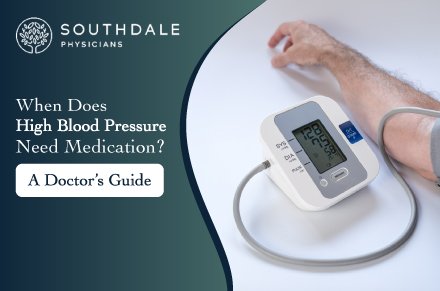
Blood pressure is measured with two numbers: the top number (systolic) and the bottom number (diastolic). If either number reaches a higher range, your diagnoses follow the higher stage. The CDC groups blood pressure stages like this:
| Stage | Top number | And | Bottom number | What usually happens |
|---|---|---|---|---|
| Normal | Less than 120 | and | Less than 80 | Keep healthy habits |
| Elevated | 120 to 129 | and | Less than 80 | Lifestyle changes |
| Stage 1 | 130 to 139 | or | 80 to 89 | Lifestyle first; medicine if higher risk |
| Stage 2 | 140 or higher | or | 90 or higher | Medicine plus lifestyle |
| Severe | Higher than 180 | and/or | Higher than 120 | Urgent medical care |
A blood pressure reading of 130/80 or higher is already high blood pressure (stage 1). A reading above 180/120 is severe. Doctors usually follow these steps to decide how to manage it:
According to a StatPearls article published by the NIH, suggests that positive lifestyle changes can decrease the risk of cardiovascular events up to 15%.
High blood pressure is not caused by just one thing. Rather, there are several possible factors that collectively lead to the development of increased blood pressure over time. Some of the main contributors are:
Actually, the answer to the question when to start blood pressure medication depends on two factors: your numbers, and the level of risk. The treatment with medication is usually right for:
Who should avoid certain types?
Certain types (ARB or an ACE inhibitor) shouldn’t be used by people who suffer from swelling to their face, lips or throat. Your doctor will write a prescription that will depend on your age, kidney function and other diseases. Don’t stop or change any of the medication without consulting your doctor.
Side effects are usually minor and may resolve with a change in dosage. These can include dizziness, swollen legs, changes in sodium levels, potassium levels or kidney blood test results. If you experience fainting or extreme weakness, please contact your healthcare professional immediately.
Generally, hypertension does not show any signs and symptoms. But a high reading with any other signs and symptoms would mean emergency situations. Get immediate help if you notice:
Because hypertension rarely causes early symptoms and warning signs, public health organizations like the U.S. Food and Drug Administration (FDA) label it a “silent killer.”
At Southdale Physicians in Edina, we support you in maintaining your high blood pressure management through:
Screening
High blood pressure can be detected at an early stage by screening according to your age, family history and risk factors. Early detection aids in better prevention and treatment.
Monitoring
The physician will monitor your blood pressure at your regular appointments along with lab tests. This will give an indication whether your high blood pressure treatment is on track and enable the healthcare providers to identify any warning signs early to prevent future complications.
Ongoing care
Hypertension is a chronic illness so can be managed by having regular appointments. Our expert physicians work to improve your overall health and quality of life by creating a treatment plan designed specifically for you.
Blood pressure has no warning signs and so it is important to be aware of your numbers. Everyone can improve their lifestyle to help reduce it. Usually, medication will be started if your BP remains 140/90 or above. However, if you are at a high risk then medication may be started earlier. It is vital that you never have a reading of above 180/120. Discuss it with your doctor, monitor it and act quickly to keep your heart and brain safe.
The answer is often yes, particularly if your risk is low. Stage 1 hypertension treatment usually starts with cutting sodium, following a balanced diet, taking regular exercise, and properly managing stress can lower the blood pressure.
Usually when the pressure is higher than 140/90. However, if you have diabetes, kidney disease, heart disease or are at high risk of heart disease within 10 years your doctor may prescribe earlier at 130/80.
After 8-12 weeks, doctors will review the status and make adjustments to the plan, if necessary.
A high reading over 180/120 becomes an emergency alongside chest pain, difficulty breathing or slurred speech.
Book with Allison — (952) 999-4049, same-day visits available