
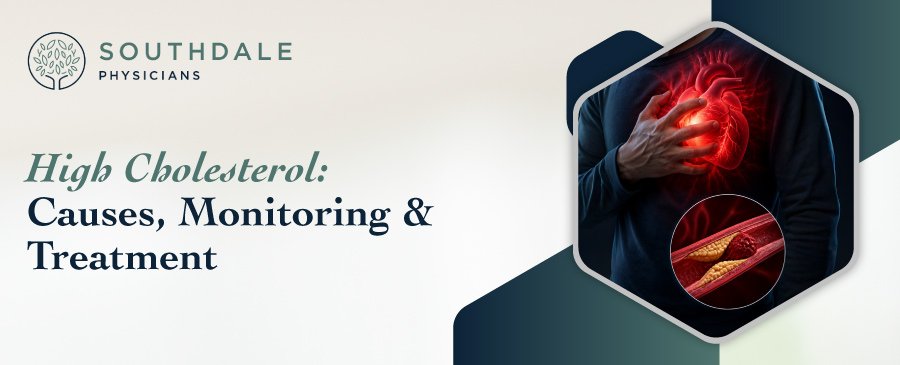
Cholesterol is a waxy, fat-like substance that is found in all the cells of human body and having too much cholesterol in blood can narrow your arteries – causing fatty material to build-up which hinders blood flow. This can increase the risk of having a heart attack or stroke. Individuals diagnosed with high cholesterol can have their cholesterol monitored through a lipid panel and advanced testing, such as ApoB.
High cholesterol also known as hyperlipidemia or hypercholesterolemia, commonly affects people who are overweight or obese, physically inactive, smoke, or consume diets rich in saturated and trans fats. Men ages 20 and 39, are at a greater risk of high cholesterol than women. After menopause, lower levels of female hormones increase the risk of high blood cholesterol.
The human body requires a certain amount of cholesterol for the production of hormones, vitamin D, and other substances that help digest foods. It is carried through the blood by two main types of lipoproteins:
HDL (high-density lipoprotein), described as “good” cholesterol because it removes cholesterol from other parts of the body and transports it to your liver. Then the liver, in turn, eliminates the cholesterol from the body.
LDL (low-density lipoprotein), sometimes called “bad” cholesterol because having a high LDL can increase the likelihood of accumulating plaque in your arteries.
Your body uses energy from the fats found in your blood and these are known as Triglycerides.
Cholesterol found in your body from your HDL, LDL, and triglycerides levels is referred to as total cholesterol.
Measured in milligrams per deciliter (mg/dL), adults or children with more than 200 mg/dL of cholesterol in the body is reported as a high total cholesterol. Optimal Cholesterol Levels according to the CDC data are as follow:
HDL (“good”) cholesterol | At least 40 mg/dL in men and 50 mg/dL in women |
LDL (“bad”) cholesterol | About 100 mg/dL |
Triglycerides | Less than 150 mg/dL |
Total cholesterol | About 150 mg/dL |
High cholesterol can develop due to several factors, including unhealthy eating habits, physical inactivity, stress, and genetics. Some of the main causes include:
Worried about your cholesterol? Book a screening with Southdale Physicians today. We look at your age, family history, and risk factors to detect problems early so you get the right care, right on time.
Unhealthy eating habits (eating too many saturated and trans fats), poor levels of physical activity, smoking, excessive alcohol consumption, stress, high blood glucose, and genetic predisposition are the major causes. Men also have lower HDL levels and higher LDL levels than women, particularly between 20-39 years of age, which itself is a risk factor.
Depleting of estrogen levels at menopause, pregnancy-associated hormonal shifts, obesity, lack of physical activity, poor diet, diabetes, hypothyroidism and genetic predisposition (family history or familial hypercholesterolemia) are some causes found in women.
Natural lifestyle changes are often the initial foundation of managing high cholesterol, but medical treatments may be necessary depending on your cardiovascular risk. Following are some tips to help reduce cholesterol naturally:
Natural Approach | How It May Help |
Exercise regularly | Exercising regularly can help to raise HDL (“good”) cholesterol levels and overall cholesterol. |
Eat healthy foods | Eating more soluble fiber and fewer saturated and trans fats can help lower LDL (“bad”) cholesterol. |
Maintain a healthy weight | Losing 5–10% of your body weight may help improve your cholesterol levels. |
Add healthy fats to your diet | Certain foods like fish, walnuts and flaxseeds contain healthy fats which can also stimulate heart health due to the presence of omega 3 fatty acids. |
Limit alcohol intake | Drinking less alcohol may help prevent increases in cholesterol and triglyceride levels. |
Quit smoking | Quitting smoking can lead to an improvement in heart health and an increase in “good” cholesterol (HDL). |
High cholesterol can be reversed easily at early stage. Knowing your risk factors, having regular checks, and making healthy choices (better diet, exercise and manage your stress) can help minimize complications such as heart disease and stroke.
Disclaimer: The information provided in this blog is for educational and informational purpose only and should not be intended as medical advice. Always consult a certified professional for personalized medical treatment tailored to your needs.