
Medically reviewed by Dr. Merlin Brown, MD, Board-certified Internist | Updated November 20, 2026
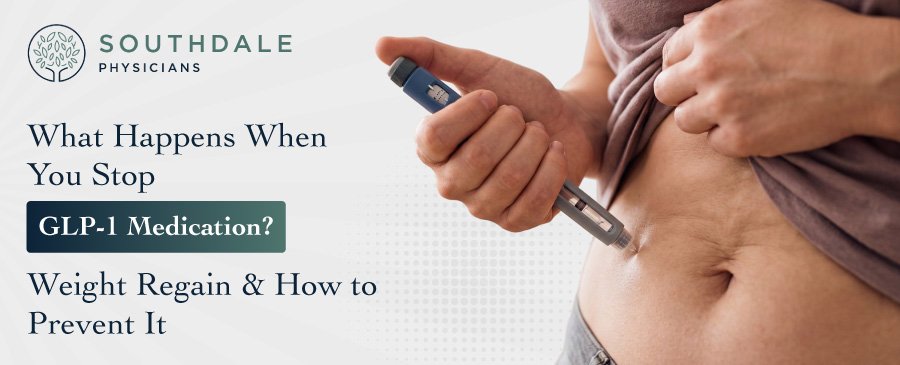
If you stop taking a GLP-1 medication such as semaglutide (Ozempic/Wegovy) or tirzepatide (Zepbound/Mounjaro), weight may gradually increase. Major clinical trials found that patients achieved about 50-65% residual weight loss within one year of stopping, with blood pressure and blood sugar levels trending back toward pre-treatment levels. The recovery process from Wegovy, however, is gradual and can be managed through an exit strategy designed by a doctor that involves nutrition, resistance training, or a step-down maintenance dose, which can help minimize the risks of stopping Wegovy and weight regain while protecting your results.
GLP-1 drugs are a class of prescription medications developed to help manage type 2 diabetes and prescribed widely for chronic weight management and cardiovascular risk reduction.
Semaglutide is the same drug sold under two brand names, Ozempic and Wegovy. It acts by mimicking a naturally-occurring gut hormone called glucagon-like peptide-1 (GLP-1). After eating, this hormone has three beneficial effects: it slows stomach emptying, it activates a signal from the stomach to the brain that you are full, and it decreases appetite. Once injections are discontinued, the drug wears off over a period of weeks and the signals go away.
The act of losing weight also elicits a reaction. The body produces less leptin (a hormone that makes one feel full) and more ghrelin (hunger hormone). These changes will work together to make it easier to gain weight. Although these hormonal effects are recognized as a key mechanism of weight gain, the GLP-1 withdrawal trials were not directly designed to evaluate the levels of hormones in trial subjects.
Best evidence on stopping Wegovy and weight regain comes from randomized withdrawal trials (trials that randomly divide participants into two groups, one continuing to take Wegovy and one that stops taking it). Three large trials on the impact of discontinuing treatment highlight what happens after quitting, as described in a 2026 Systematic Review in Metabolites.
In the STEP 4 trial, adults who switched to a placebo at week 20 gained 6.9% of their body weight by week 68, while those who remained on semaglutide lost an additional 7.9%. Same review covered STEP 1 extension, where participants stopped both the drug and the lifestyle support part. Also included SURMOUNT-4, a withdrawal trial for tirzepatide, a related medication.
| Study | Drug | What happened |
|---|---|---|
| STEP 4 | Semaglutide | +6.9% weight gained on placebo vs. −7.9% lost on continued drug (weeks 20–68) |
| STEP 1 extension | Semaglutide | Regained 11.6 percentage points in 1 year (~two-thirds of lost weight), but remained 5.6% below starting weight |
| SURMOUNT-4 | Tirzepatide | +14.0% weight gained on placebo vs. −5.5% lost on continued drug (52 weeks) |
| Pooled analysis, 18 trials | Several GLP-1 drugs | +5.63 kg regained (obesity); +2.03 kg regained (type 2 diabetes) |
There are two points to note here. First, the patients did not regain all of the weight—still 5.6% below their initial weight 1 year after the study. Second, STEP 4 and SURMOUNT-4 provide substantiated evidence that is even stronger than that from STEP 1. These investigations were randomized withdrawal trials with low risk of bias, which means that their results are thought to be trustworthy. However, the STEP 1 extension was merely the initial investigation conducted in a small group of clinics.
A 2025 meta-analysis in eClinicalMedicine (available via the NIH’s PubMed Central) pooled 18 randomized trials and 3,771 participants. Adults who were obese experienced a mean weight increase of 5.63 kg at the end of treatment. The amount of glycated hemoglobin (HbA1c, which is a blood sugar average over the past three months) increased 0.25 percent, while the top number (systolic) of blood pressure went up by 4.15 mmHg. The regain was higher when the follow-up was longer than 26 weeks (7.31 kg versus 2.51 kg), and larger after semaglutide than after liraglutide, a previous (circa 2016) drug in the class (8.21 kg versus 4.29 kg).
The amount of variation among the studies was so great that these average numbers are masking the spectrum of individual achievements. Additionally, most studies focused on a short follow-up period of less than 5 months (21 weeks) after stopping. The results are primarily for people with type 2 diabetes, so the effects of Ozempic will vary for those who do not.
People with diabetes gained back less weight on average (2.03 kg), yet their average blood sugar (HbA1c) increased by 0.65 points over three months, indicating that glucose levels can get worse even if weight doesn’t increase significantly. The larger studies mentioned above were conducted exclusively with individuals without diabetes, so their findings cannot be directly applied to patients with diabetes.
There are valid reasons for quitting including side effects, costs, pregnancy plans, or achieving the required health objectives with your doctor’s approval. However, don’t quit alone if you take it for type 2 diabetes, high blood pressure, or another metabolic condition—as other medications may need adjusting—or if you’ve lost significant weight without a maintenance plan. Because obesity is a chronic medical condition, regaining weight is a biological response, not a lack of willpower.
Contact your doctor if you notice:
Where you get your medication matters too: the same national survey (Journal of Managed Care & Specialty Pharmacy) reported that 14.4% of those who discontinued their medication had obtained it from a friend or family member without a physician’s guidance.
At Southdale Physicians in Edina, board-certified internists manage GLP-1 transitions through personalized, lab-guided follow-up visits with no membership fees. Rather than stopping abruptly, your doctor reviews your metabolic labs, adjusts dosages or switches among FDA-approved oral and injectable options, manages side effects, and pairs care with tailored nutrition and movement plans.
Finally, stopping a GLP-1 medication doesn’t mean losing everything you’ve worked for—with a clear medical plan, regular follow-ups, and the right lifestyle support, you can protect your health and manage the transition safely.
Not always. STEP 1 data showed people regained about two-thirds of what they lost. A year in, they were still 5.6% below where they started. Your numbers might look totally different because averages cannot predict your result.
Book with Allison — (952) 999-4049, same-day visits available