
Medically reviewed by Dr. Merlin Brown, MD, Board-certified Internist | Updated October 26, 2026
The average skin tag removal cost in the United States ranges from $71 to $187, depending on the type of method used. For cosmetic reasons insurance usually does not cover, if a tag is bleeding, painful, or irritated, it may. It should be done by a trained clinician, as a person can become infected at home.
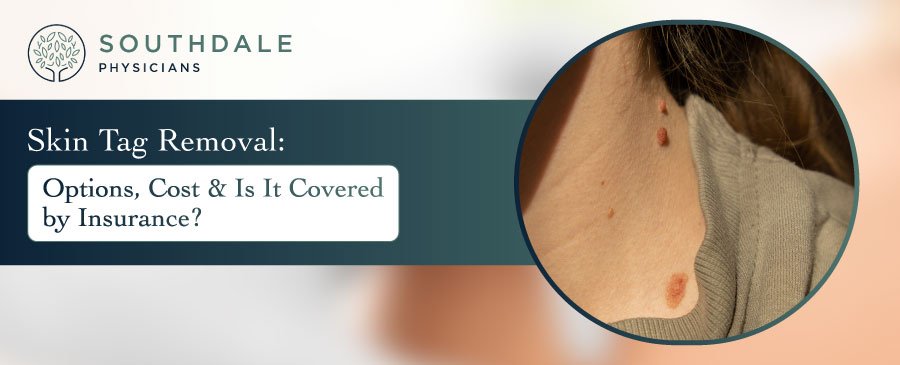
Medically known as acrochordons, skin tags are small, soft growths that usually hang from the skin by a thin stalk. They are benign so they are not cancerous. They are usually found in areas where skin folds or rubs together such as the groin, eyelids, under the armpit and neck. The National Institutes of Health data, shows that approximately 50 to 60% of adults develop at least one skin tag during their lifetime, both men and women, and most skin tags are between 1–5 mm size.
Why do they form? Rubbing is one cause. Additional risk factors include age, increased weight, diabetes type 2, high cholesterol, hormonal changes and family history. Most tags are not harmful, but some may become entangled in a necklace or collar, and some tags may bleed or itch. This is why people consider skin tag removal despite the fact that these growths are harmless.
The sections that follow will provide an overview of the primary approaches, their approximate prices, and when insurance might be helpful. The aim is to help you select a secure method and have a clear idea about the cost associated with the removal of skin tags prior to booking.
Doctors have several ways to take a tag off:
A 2025 national cost study by ASQ360°, commissioned by the medical financing company CareCredit, found the following average prices across the United States:
| Method | Average US cost |
|---|---|
| Plasma therapy | $71 |
| Cryotherapy | $98 |
| Ligation | $123 |
| Cauterization | $133 |
| Laser therapy | $153 |
| Excision | $187 |
These average figures are for U.S and may vary depending on your individual skin tag removal. The cost will vary based on equipment, the number of tags, location, requirement of numbing medicine, and subsequent visits or lab work.
Cheaper does not always mean better. According to StatPearls, a peer-reviewed clinical reference hosted by the National Institutes of Health describes a comparison in which, a laser caused no bleeding and needed no bandage, but simple scissor removal healed better, hurt less, and left patients happier. Experts concluded that scissor removal is best for tags on a stalk. Cryotherapy works well on small tags, but freezing the nearby skin can sometimes leave lighter or darker patches.
Usually not, if the reason is only cosmetic. Insurance plans treat cosmetic procedures as out-of-pocket costs, and skin tag removal is no different. But there are exceptions. If a tag becomes red or bloody, painful, grows on the eyelid and interferes with the vision or suddenly appears with numerous other tags, contact your doctor.
So, does insurance cover skin tag removal for you? It depends on your plan. Call your insurer before booking and ask whether a medical reason, documented by your doctor, would count. If it won’t be covered, ask the clinic for the full price up front, including any follow-up visits.
Removal is necessary when tags are a nuisance to clothing or jewelry, bleed into the skin, itch, or cause embarrassment.It’s also an option for anyone who wants them removed, provided they understand that the cost is typically paid out of pocket.
Others need to consult a health-care provider before trying it. Skin tags can also look like moles, warts, or rarely other growths, so if a skin tag changes in size, shape, or color rapidly, a clinician’s eye should be on it before it is removed. You may need simple tests to help determine if you have blood sugar or cholesterol-related issues since there can be multiple different causes.
Best practice is to have a trained clinician do it. Most Physicians do not recommend removal of tags at home, as unsterile environment and improper tag removal technique increases the likelihood of infection and heavy bleeding. Let your clinician know if you have any prescription or over-the-counter medications or herbal remedies as some may affect bleeding and clotting before any procedure. It is better to keep the area clean and moisturized after treatment.
Understanding how to remove skin tags safely also helps avoid the formation of new skin tags. Dress in loose-fitting clothing, avoid tight necklaces, and don’t hesitate to talk to your doctor about your weight and blood sugar. If contributing factors remained unchanged the skin tags can return.
However, removal is a low-risk office procedure but not risk free.The tags are usually easy to pull out, so the clinician applies pressure and can sometimes use silver nitrate or cautery to prevent it from bleeding.Rarely, the patient becomes infected or bleed too much. It may cause slight skin irritation around the area, and will leave a scar if not removed properly.In rare cases a nerve within the tag is cut and a small, painful growth called a neuroma develops which can cause discomfort for weeks or months.
Also consult a doctor or clinician, if the bleeding persists despite pressure, spreading redness, warmth, pus, worsening pain, a tumor that rapidly changes in color and/or form. Also consult if numerous new tags are observed at once.
If you’re looking for skin tag removal near me, the first step in the process is to schedule an appointment at our clinic Southdale Physicians in Edina, Minnesota. We conduct a basic skin examination to rule out whether there is a skin tag present. Skin tags are fleshy, benign growths on a short stalk. Skin tags can occur anywhere but they commonly occur on areas of skin folds such as the neck and armpits.
Once it’s confirmed that the growth is indeed a skin tag, we discuss the possible treatment methods. The choices include cryotherapy (freezing the skin tag) and electrosurgery (removing the skin tag with the use of electrical current). Surgery can be used to excise the skin tag. This process is both easy and efficient.
Skin tags are benign growths; however, you do not need to put up with those that irritate you. Evaluate skin tag removal cost by comparing prices and making sure your health insurance covers the procedure before allowing a clinician to remove it.
Average prices for the United States vary from $71 to $187 depending on the method, the lowest cost being cryotherapy at $98 and the highest cost being excision at $187.
Physicians don't recommend it. Having a home attempt increases your chance for heavy bleeding and infection.
If triggers are present, such as friction, excess weight or blood-sugar issues, they can continue to happen, that is why lifestyle changes are recommended.
Not necessarily. Diabetes and insulin resistance are associated to skin tags, however many people who have them are healthy. If you have quite a few, consult your doctor about screening.
Book with Allison — (952) 999-4049, same-day visits available