
An allergy occurs when the body’s immune system reacts to a foreign substance, called an allergen and overreacts to it. The allergen could be something you eat, inhale into your lungs, inject into your body, or touch.
An allergic reaction can cause rashes, coughing, sneezing, hives, itchy eyes, a runny nose, swelling, and a scratchy throat. In severe cases, it can cause low blood pressure, breathing trouble, asthma attacks, and even death if not treated promptly and appropriately. In this blog we are going to discuss skin rash causes, symptoms, its main types and how to treat them effectively.
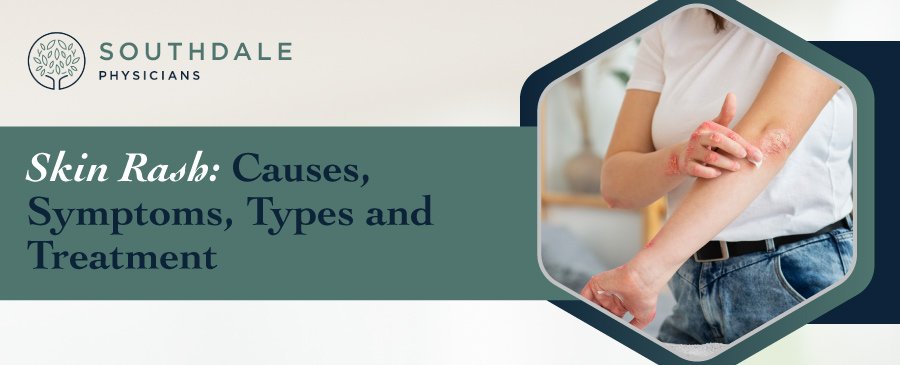
A skin rash is an area of irritated, swollen, or discolored skin that can change in texture and appearance. A rash can be diagnosed by blood test, allergy test and biopsy. Rashes are itchy, dry and painful. They normally come from skin inflammation, which can have different causes.
Many things can cause skin rashes, including:
Skin rash symptoms vary depending on the type and cause. Rashes can develop in one area of the body or all over. A skin rash may be:
Regular skin check is an important component of preventive dermatology care. Our dermatologists at Southdale Physicians, evaluate unusual skin spots, and changes in skin color or texture that may require immediate medical attention. Book your appointment now for a thorough, personalized skin assessment.
Almost everyone develops at least one skin rash during their lifetime. It’s extremely common to sometimes feel itchy or have red, bumpy skin for a little while. Some common skin rash types include those caused by skin conditions like eczema, pityriasis rosea and contact dermatitis are:
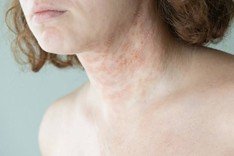
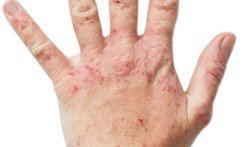
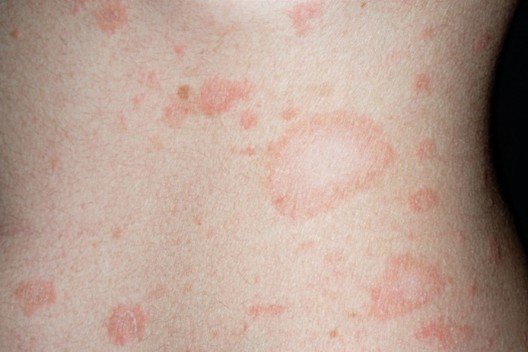
Eczema is a general term that describes several conditions in which skin is inflamed, getting red, scaly, and itchy. It can affect adults or children and isn’t contagious. In adults, eczema most often affects the hands, elbows, and back of your knees. In young children, eczema often also shows up on the face, back of the neck, and scalp. According to the Global Burden of Disease Study, atopic dermatitis affects over 171 million people worldwide.
Contact dermatitis occurs when your skin reacts to something it touches, such as detergents, shampoos, fragrances and chemicals or even excessive exposure to water. It can cause inflammation, itchiness, irritation and redness. It’s incredibly common, accounting for up to 95% of all occupational skin diseases.
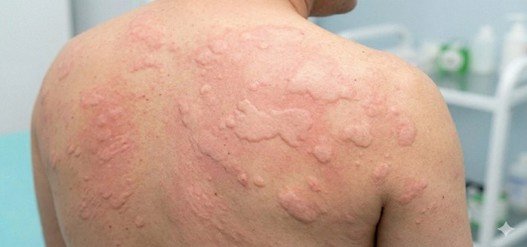
Also called urticaria, that causes raised, red, itchy skin bumps and welts. An allergic reaction to airborne allergens (such as pollen, dust mites, animal dander and chemical fumes) or insect’s bite causes hives to form. Insects like bees, wasps, hornets, yellow jackets, and fire ants affect about 3 out of 100 people in the U.S. If this condition last for 6 weeks no serious issue but anything longer than this duration needs serious medical attention.
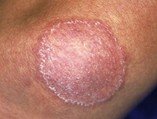
Warm, moist conditions are favorable for fungal infections to occur; they can be spread by direct contact with an infected person, animal, or surface. Nearly 30% of schoolchildren in some countries are infected with ringworm of the scalp and there are estimated to be 650 million fungal skin infections worldwide. Ring worm that is most common is caused by dermatophyte fungi.
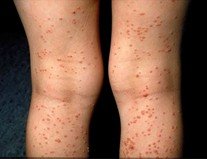
Viral exanthems appear when your body is battling an infection. The rash is actually a sign your immune system is working. Common examples are measles, chickenpox and hand, foot and mouth disease.
The disorder often begins with a large, scaly, pink patch of skin. The rash often forms on the neck, chest, knees, lower back, upper arms, legs scalp and genitals. Psoriasis can be inherited.
The Asthma and Allergy Foundation of America (AAFA) notes that over 100 million people in the United States experience an allergic reaction each year. This equals about (1 out of 3) people in the United States. Nearly 32 out of 100 U.S. adults and more than 30 out of 100 U.S. children have a seasonal allergy, eczema, or food allergy.
Everyone — from infants to senior citizens — can get skin rashes. Infants are prone to diaper rash and cradle cap. Babies have sensitive skin and may develop an allergic rash in response to soaps, animal dander, or nickel. Babies may also experience an allergic reaction to an antibiotic or new food. An allergic rash may appear anywhere on a baby’s skin. What does an allergic reaction rash look like? This very question about rashes, every parent should know for better prevention and cure. The rash may look like:
Chances of developing a skin rash is lowered by following a few simple steps at home:
Some treatments recommended by your healthcare provider, will depend on the cause of your skin rash. Here are some treatment options beyond home care:
There are several different reasons as to why an allergic reaction rash may occur, ranging from something as simple as irritants to a chronic eczema condition. Therefore, the initial step to relief is to be able to identify the trigger. Many mild cases are easily treated with home care, using gentle products and moisture. But if the rash is on-going or severe, it’s important to see a doctor sooner rather than later.
If skin rash develops suddenly, if there is redness and severe pain, or if the skin rash covers the body, contact your health care provider right away for emergency help.
Avoid scratching! Itching or scratching of the rash, can cause even more itching and may cause a skin infection. Regular bathing after, using enough moisturizing can help relieve discomfort.
Yes! You may develop a skin reaction, such as hives, from a reaction to a food allergen.
Sensitive or irritated skin may lead to further discomfort when exposed to the UV rays and possible sunburn. Cover and limit sun exposure to take control of your condition.
Disclaimer: This article is only for educational and information purpose only and is not intended for a medical advice. Always consult your physician if you notice any rash, allergy, swelling or inflammation on your body.